

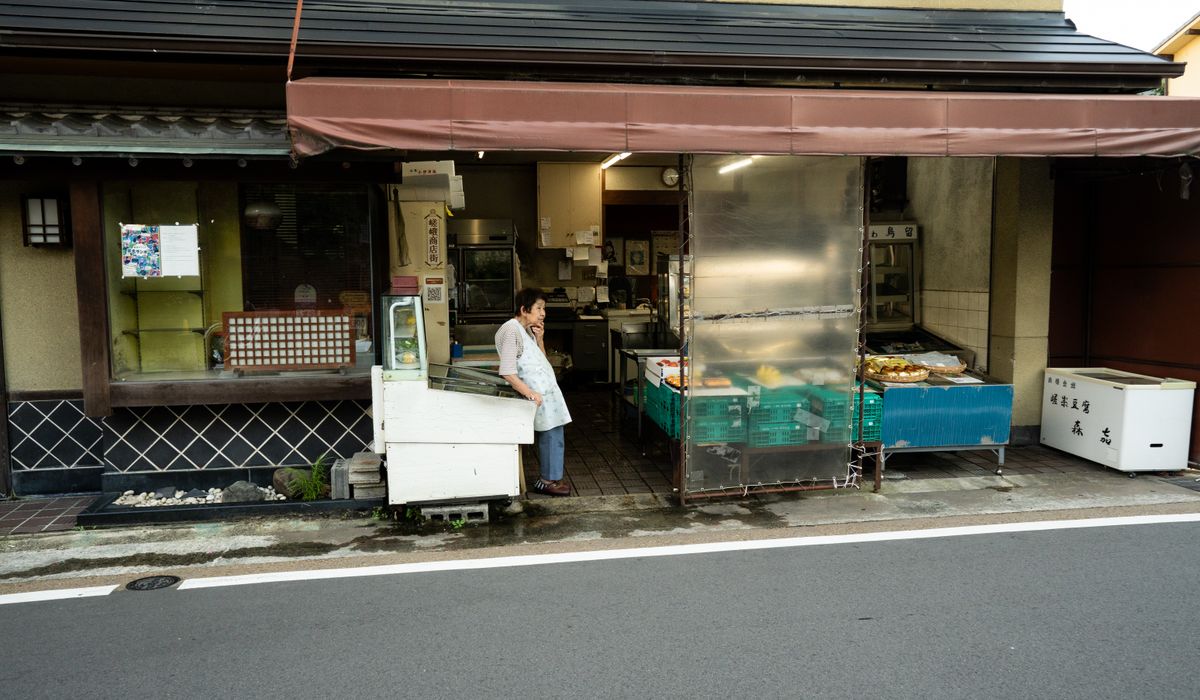
Location Is the Decision You Can't Undo
You can tweak your prices, refresh your window display and rethink your promotional offers. You cannot move a shop. Once you have signed a five-year lease on a unit in the wrong part of town, you live with that decision every trading day — and pay rent on it, too. That is why experienced franchisors devote so much time to site selection, and why you should treat it as the most important piece of due diligence you will do before opening.
Your franchise agreement may well include a defined territory. Check it carefully, along with any restrictions on where else the brand can trade nearby. A protected postcode area is only valuable if the customers inside it can actually reach your door.
Footfall: Counting Real Customers, Not Just Crowds
Most towns have a busy street. Fewer have a busy street full of people who want what you sell. A pavement thronged with commuters striding towards the station at eight in the morning tells you very little if your average transaction depends on browsing and a leisurely decision.
Look for flows that match your trading pattern:
- Direction and purpose. Are people heading to work, to school, to the market, or simply passing through? Purpose shapes whether they will stop.
- Dwell time. Benches, cafés, a library or a popular green space nearby all encourage people to linger.
- Anchor draw. A supermarket, health centre, leisure centre or large employer can generate reliable repeat visits.
- Seasonality. A seaside or market town can look dramatically different in July and November.
Parking, Transport and How People Arrive
Think about the journey your customer makes, not just the walk past your window. If you sell bulky goods, offer appointments or expect families with pushchairs, parking is not a nice-to-have — it is the difference between a full till and an empty one.
Check on-street restrictions, the cost and capacity of nearby car parks, and whether your staff will have somewhere sensible to leave a car. Equally, do not dismiss a site simply because parking is tight: a strong pedestrian route, a bus stop outside, secure cycle parking or a station within a short walk can all feed a retail business handsomely.
Reading the Competition Around You
Competition is not automatically bad. A cluster of similar or complementary businesses can create a destination, and customers like comparing before they buy. What matters is whether there is enough demand to share.
Walk the area and note who is trading, how busy they look, and whether units are empty or have changed hands recently. Empty units can signal a difficult pitch, but they can also mean a landlord who is ready to negotiate. Ask yourself whether your offer is genuinely different — better located, faster, friendlier, or simply open at hours when everyone else is shut.
Visit at Different Times — Where the Truth Shows Up
One visit on a sunny Saturday proves nothing. Build a proper picture over at least a week, and go back at the times that matter.
- Count pedestrians for fifteen minutes at the top of each hour, from opening to closing, and note which direction they travel.
- Compare a quiet weekday with a Saturday, and a term-time day with a school holiday.
- Visit in the rain. Bad-weather behaviour tells you who really needs you.
- Note deliveries, refuse collections, roadworks and any hint of antisocial behaviour.
- Talk to neighbouring traders — ten minutes with them can teach you more than an hour with a spreadsheet.
Take photographs, jot down rough numbers and keep everything together. Patterns emerge quickly when you compare notes across several visits.
Lease, Rates and Fit-Out: The Details That Sink a Good Site
A site that works commercially can still fail on paperwork. Before you commit, get to grips with the rent, the length of the term, any break clause, rent review dates, service charges and dilapidations. Business rates and insurance will add to your monthly outgoings, and a rent-free period is only useful if it comfortably covers your fit-out.
Check the practicalities too: the use class and whether you need planning permission, the power supply, ventilation if you are cooking, accessibility, signage consent, and whether the unit's size suits your franchise's standard specification. Your franchisor's property team has seen dozens of sites and will usually be glad to advise — but always have your own solicitor read anything you sign.
Finally, trust your instincts alongside your figures. If a site needs a dozen arguments to justify it, it is probably the wrong one. The right location, once you have done the homework, tends to feel quietly obvious.






John Doe
14 January, 2022Having no content in post should have adverse..
Chauffina Carr
10 April, 2022We use these tests all time! Killer stuff!
Jim Séchen
16 July, 2022Thanks for all the comments, everyone!